
MBBS in Georgia 2026
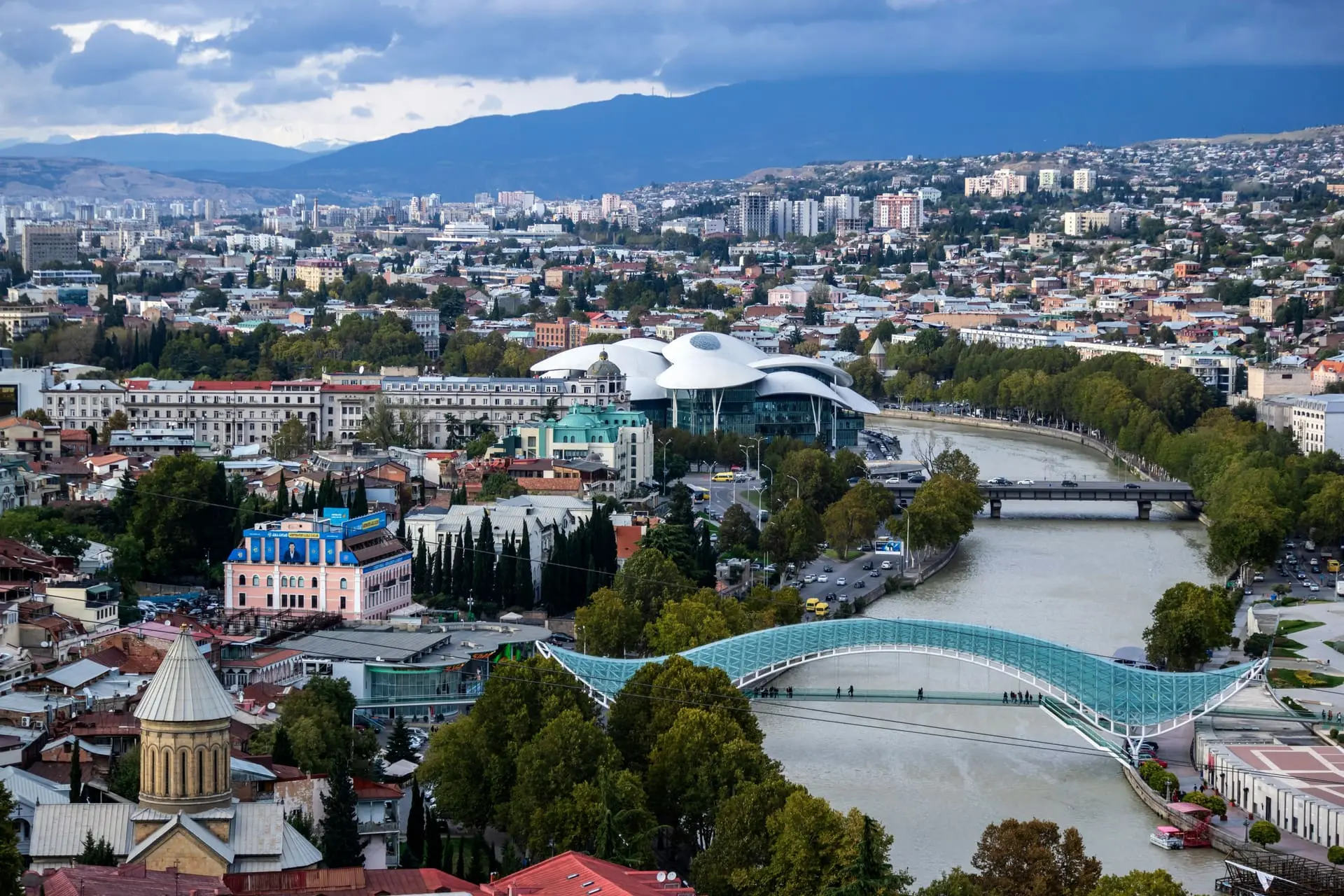
MBBS in Georgia 2026 offers Indian students an opportunity to pursue quality medical education at affordable costs. Students can explore MBBS in Georgia for Indian Students, top medical universities, admission eligibility, fees, hostel facilities, and career opportunities while planning their medical studies abroad.
Indian Students
5,000+
Universities
15+
Avg. Fee / Year
₹4.5–8 Lakh
Recognition
NMC Compliant & WHO
01 — Admission 2026-27
MBBS in Georgia 2026-27 for Indian Students
Quick Facts about Georgia
| Capital | Tbilisi |
| Official language | English |
| English Speaking Population | 35% |
| Currency | Georgian Lari (₾) |
| Exchange Rates to INR | 1 GEL ≈ 31.00 INR |
| Population | 37 lakhs (2026) |
| Time Difference between India and Georgia | India is 1.5 hours ahead of Georgia |
| Total Land Area Georgia Covers | 69,700 sq km |
| Climate** | Mild continental and subtropical; winter (-2°C), summer (+25°C). |
At a glance
04 — Why EduFin
Why Choose EduFin Services For MBBS in Georgia?
Empowering Indian Students for Global Medical Careers
EduFin Services MBBS Abroad Consultancy assists Indian students in securing admission in NMC approved Medical Universities in Georgia. We offer complete end-to-end guidance including university shortlisting, visa processing, documentation, travel assistance, and hostel allocation without any hidden fees.
Medical Universities
Top NMC & WHO-recognized institutions.
Students Guided
Over a decade of successful medical placements.
Partnered with Govt Medical Universities
We only enroll students in state & federal government medical universities with direct official recognition.
24x7 Local Support Abroad
Dedicated local representative teams stationed abroad to support students anytime from arrival to graduation.
Our Recent Batches
Glimpses of Indian medical student delegations guided by EduFin Services departing for and studying at top government medical universities.
05 — Visuals
Top Medical Universities in Georgia for MBBS
Discover the best Medical Universities in Georgia and the best Medical Colleges in Georgia for Indian students to pursue quality medical education at affordable costs of studying MBBS in Georgia. Georgia has a number of reputed NMC Approved Medical Universities in Georgia with modern facilities and clinical training. The Best Medical Universities in Georgia to choose from depending on the ones that offer the lowest fees, eligibility, recognition, and admission requirements.

Georgian National University SEU

East European University

Geomedi Medical University
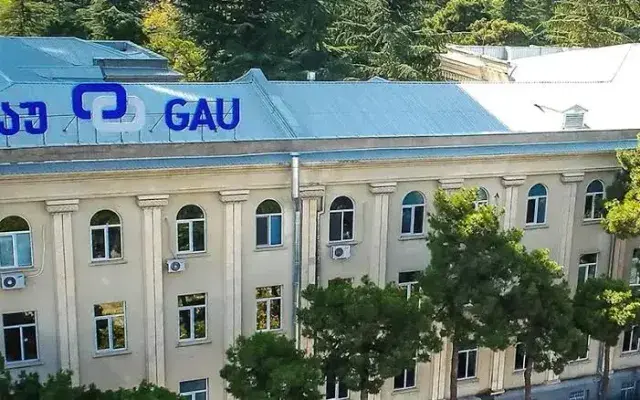
Georgian American University
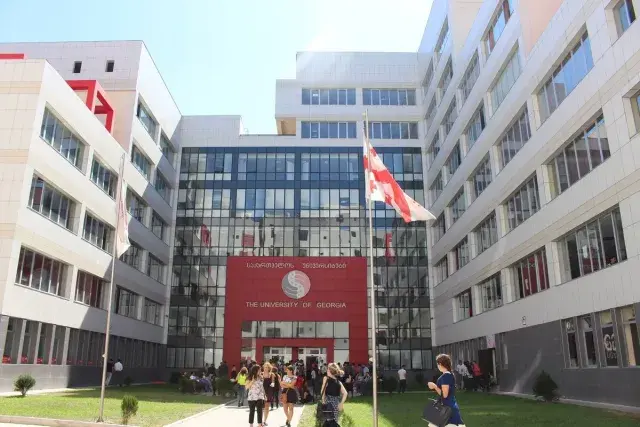
The University of Georgia

Grigol Robakidze University
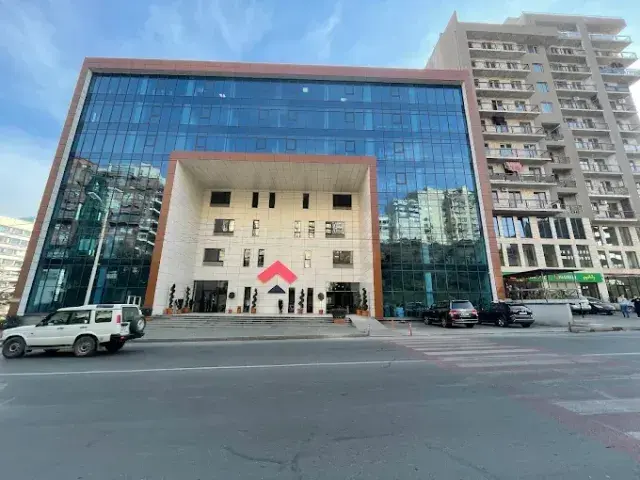
Alte University

BAU International University, Batumi
06 — Comparison
MBBS in Georgia v/s MBBS in India
Program Duration
MBBS in Georgia
6 Years (including 1-year internship)
MBBS in India
5.5 Years (4.5 years study + 1-year internship)
Average Course Fee
MBBS in Georgia
₹4.5–8 Lakh/yr (~₹30–50 total)
MBBS in India
Private Colleges: ₹12L - ₹25L/yr (₹60 Lakhs - ₹1.2 Crore+ total)
Admission Criteria
MBBS in Georgia
Direct admission based on qualifying NEET scorecard (no separate entrance)
MBBS in India
Highly competitive based on NEET ranking and centralized counseling rounds
Medium of Instruction
MBBS in Georgia
English (100% curriculum and exams are English-medium)
MBBS in India
English
Living Expenses
MBBS in Georgia
₹15,000 – ₹30,000 per month (Highly affordable local rates)
MBBS in India
₹8,00,000 - ₹15,000 per month (varies by city/hostel)
NMC Compliance (FMGL 2021)
MBBS in Georgia
Fully Compliant (54+ months study, English medium, local internship & license eligibility)
MBBS in India
Native System
Clinical Exposure
MBBS in Georgia
Excellent clinical bedside exposure in state-run teaching hospitals
MBBS in India
High patient volume but varying levels of technology/infrastructure
License to Practice
MBBS in Georgia
Eligible to register locally first, then sit for Indian NExT/FMGE licensing exam
MBBS in India
Directly eligible to practice in India after passing the NExT exit exam
| Aspect | MBBS in Georgia | MBBS in India |
|---|---|---|
| Program Duration | 6 Years (including 1-year internship) | 5.5 Years (4.5 years study + 1-year internship) |
| Average Course Fee | ₹4.5–8 Lakh/yr (~₹30–50 total) | Private Colleges: ₹12L - ₹25L/yr (₹60 Lakhs - ₹1.2 Crore+ total) |
| Admission Criteria | Direct admission based on qualifying NEET scorecard (no separate entrance) | Highly competitive based on NEET ranking and centralized counseling rounds |
| Medium of Instruction | English (100% curriculum and exams are English-medium) | English |
| Living Expenses | ₹15,000 – ₹30,000 per month (Highly affordable local rates) | ₹8,00,000 - ₹15,000 per month (varies by city/hostel) |
| NMC Compliance (FMGL 2021) | Fully Compliant (54+ months study, English medium, local internship & license eligibility) | Native System |
| Clinical Exposure | Excellent clinical bedside exposure in state-run teaching hospitals | High patient volume but varying levels of technology/infrastructure |
| License to Practice | Eligible to register locally first, then sit for Indian NExT/FMGE licensing exam | Directly eligible to practice in India after passing the NExT exit exam |
07 — Institutions
NMC & WHO Recognized Medical Universities in Georgia
Medical universities of Georgia have been recognized by NMC & WHO to provide quality education, modern infrastructure and exposure to clinical training to foreign students. Here are NMAI Approved Medical Universities in Georgia for MBBS in Georgia where a student from India can pursue his/her medical education. Indian students can gain a solid educational base and pursue their medical career in Georgia by studying at renowned medical universities in the country.
Top 6 institutions
- 01Tbilisi State Medical University (TSMU)
- 02David Tvildiani Medical University
- 03European University Georgia
- 04Grigol Robakidze University (GRUNI)
- 05New Vision University
- 06Batumi Shota Rustaveli State University
Accreditations
Key highlights
- European-standard medical education
- High FMGE passing ratios
- Fully English-medium programs
- Globally recognized degrees (USMLE/PLAB friendly)
08 — Fees Directory
List of MBBS Universities in Georgia & Total MBBS Fees
Check out the List of MBBS Universities in Georgia providing good medical education to the students from India. The tuition fees for MBBS in Georgia are comparatively low when compared to the other countries and therefore, it is a preferred option among the Indian students looking to study MBBS in Georgia. Students can refer to Georgia MBBS fees, University tuition fees, Hostel fees, and other fees before selecting the medical University.
| University Name | Type | Est. Year | Tuition Fee / Yr | Total Course Fee (INR) | Action |
|---|---|---|---|---|---|
Georgian National University SEU | Private | 2001 | ₹5 Lakh/yr (USD 5900) | ₹44 Lakh | Details |
East European University | Private | 2012 | ₹4,95,000/yr (USD 5,500) | ₹29,70,000 | Details |
Geomedi Medical University | Private | 1998 | ₹4,95,000/yr (USD 5,500) | ₹29,70,000 | Details |
Georgian American University | Private | 2001 | ₹5,40,000/yr (USD 6,000) | ₹32,40,000 | Details |
The University of Georgia | Private | 2004 | ₹5,85,000/yr (USD 6,500) | ₹35,10,000 | Details |
Grigol Robakidze University | Private | 1992 | ₹5,40,000/yr (USD 5,500) | ₹29,70,000 | Details |
Alte University | Private | 2002 | ₹4,95,000/yr (USD 5,500) | ₹29,70,000 | Details |
BAU International University, Batumi | Private | 2015 | ₹4,30,000/yr (USD 4,800) | ₹25,80,000 | Details |
Caucasus University | Private | 2004 | ₹5,40,000/yr (USD 6,000) | ₹32,40,000 | Details |
East West University | Private | 1995 | ₹3,50,000/yr (USD 3,900) | ₹17,50,000 | Details |
David Tvildiani Medical University | Private | 1989 | ₹7 Lakh/yr (USD 8000) | ₹66 Lakh | Details |
Get Nepal Georgia 2026 Fee Structure
Download the official university list, detailed yearly fee structures, hostel/mess reviews, and NMC compliance guidelines.
09 — Language & Classroom
English Medium MBBS in Georgia
English Medium MBBS in Georgia is a popular option among the Indian students who wish to pursue their medical studies in an English-speaking country. There are a number of Medical Universities in Georgia that have MBBS courses in English with state-of-the-art facilities and clinical training. Students can pursue their study of MBBS in Georgia in the top universities that offer great education at pocket-friendly tuition rates.
English Medium Instruction
The primary medium of instruction, textbooks, theoretical lectures, practical assessments, and final state exams is English. You do not need to take local-language exams to clear your academic courses.
All lectures, seminars, and clinical presentations in English
Local conversational classes included to assist in patient interactions
While the exams and courses are in English, learning basic conversational English is part of the curriculum. This is essential for speaking with local patients in hospital wards during clinical rotations from the 3rd year onwards.
10 — Who Can Apply
Admission Eligibility to Study MBBS in Georgia
Indian students can easily fulfill the eligibility criteria for taking admission in MBBS in Georgia. The applicant should have completed the 10+2 course with Physics, Chemistry and Biology and qualified himself/herself as per NEET whichever is applicable. Before applying to any of the recognized medical universities in Georgia for MBBS Admission, students can check out the necessary academic requirements, age requirements, documents required, and the procedure for admission.
11 — Checklist
Required Documents for MBBS Admission in Georgia
To secure admission to an MBBS Programme in Georgia, Indian students are required to possess certain documents including a valid passport, 10th and 12th certificates, mark sheets, NEET scorecard, passport size pictures, and medical fitness certificates. Specifics may differ for each university. Preparing the documents for MBBS in Georgia in advance helps ensure a smooth admission process.
12 — Curriculum
MBBS syllabus in Georgia
Year 1
5 subjects- Anatomy
- Histology
- Medical Biology
- Biochemistry
- Georgian Language
Year 2
4 subjects- Physiology
- Biochemistry
- Microbiology
- Immunology
Year 3
4 subjects- Pharmacology
- Pathophysiology
- Pathological Anatomy
- Propaedeutics
Year 4
4 subjects- Internal Medicine
- Surgery
- Obstetrics & Gynecology
- Pediatrics
Year 5
5 subjects- Clinical Rotations
- Internal Medicine
- Neurology
- Dermatology
- Psychiatry
Year 6 (Internship)
3 subjects- Clinical Internship Rotations
- Hospital Practice
- Final State Examinations
13 — Investment
MBBS in Georgia: Tuition Fees, Hostel & Living Expenses
The tuition fees for MBBS in Georgia are reasonable when compared to other countries for study abroad. Students from India should take into account the fees for Georgia MBBS in India, hostel fees, food costs, transportation and other expenses. Gaining knowledge of the total MBBS fees in Georgia for Indian students enables families to make informed financial decisions and select the appropriate medical university to pursue their studies.
Tuition & Fees
Total Estimated
₹30–50 Lakh (complete 6-year program)
Monthly Living Costs
Monthly Range
₹15,000 – ₹30,000 per month
14 — Campus Living
Food & Hostel Facilities for MBBS Students in Georgia
Food and hostel facilities are arranged in a way to help the international students have a comfortable stay in Georgia while pursuing their studies in MBBS. A number of medical universities in Georgia for Indian students provide or help to arrange the accommodation, and there are also Indian food options available in the universities. Students can find hostel facility in Georgia, which provide affordable MBBS education along with basic amenities, security, comfortable entry into the campus.
Hostel & Stay Facilities
- Secure Dorms: 24/7 security desks, CCTV surveillance, and biometric access. Separate wings or buildings for boys and girls.
- Room Layouts: Comfortably heated rooms shared by 2–3 students. Equipped with study desks, wardrobes, beds, and clean linen.
- Utilities: Central heating, regular water supply, common laundry rooms, study libraries, and high-speed Wi-Fi network.
Food & Dining
- Indian Mess: Available in all major university cities. Serves traditional North and South Indian vegetarian and non-vegetarian meals.
- Self-Cooking: Common kitchens equipped with electric gas stoves and ovens are provided on every floor of the hostel dorms.
- Local Grocery: Standard Indian spices, grains, and fresh vegetables are easily purchasable at local markets or supermarkets near the campus.
15 — How to Apply
MBBS in Georgia Admission Guide for Indian Students
This MBBS in Georgia Admission Guide for Indian Students covers eligibility, NEET requirements, documents, university selection, fees and visa procedures. Explore MBBS Admission in Georgia at Recognized Medical Universities for Students. Knowing about Georgia’s MBBS admission process, MBBS fees in Georgia and documents required helps Indian students to make informed decisions and start their medical education without any hassles.
Application Submission
Submit application with academic documents, NEET scorecard, and passport to the university.
Admission Letter
University reviews documents and issues an admission letter within 1–2 weeks.
Visa & Travel
Indians can enter Georgia visa-free or with an e-visa. Apply for a residence permit after arrival.
Pre-Departure Briefing
Orientation session covering travel, accommodation, culture, and arrival procedures.
Arrival & Registration
Local representative assists with pickup, university registration, residence permit, and hostel allotment.
16 — Why Georgia
Why do Indian Students Choose MBBS inGeorgia?
Indian students choose Georgia for affordable medical education abroad, English-taught programs, modern teaching facilities, and practical clinical exposure. The country offers Georgia medical colleges for Indian students, reasonable tuition costs, and a comfortable international student environment. Other benefits include low-cost MBBS abroad, quality medical education, and access to experienced faculty and clinical hospitals.
European-standard medical education at affordable prices
Highest FMGE/NExT passing ratios among MBBS-abroad graduates
Fully English-medium programs — no local language barrier
Globally recognized MD degree — USMLE and PLAB friendly
Beautiful, safe country with mild climate and welcoming culture
Modern university campuses with advanced clinical facilities
Easy visa process — no visa required for initial entry (e-visa available)
Growing Indian student community with support infrastructure
17 — Regulations
MBBS Graduates: Medical License to Practice in Georgia
After finishing MBBS in Georgia people who want to work as doctors in Georgia have to follow the medical licensing rules that're in place in the country. Foreign graduates might have to do the registration take the needed exams and go through the steps. Indian students should also know about licensing after doing MBBS in another country as well as the rules for working as a doctor, in India after they finish their studies.
Local Licensing Rules
After graduation, MD degrees are registered with the Ministry of Education & Science and the Ministry of Internally Displaced Persons from the Occupied Territories, Labour, Health and Social Affairs of Georgia. Graduates must pass the Georgian State Licensing Examination to practice.
NMC FMGL 2021 Alignment
Fully meets NMC requirements with 360 ECTS (6 years) taught 100% in English, including integrated clinical practice. Graduates get registerable licenses to practice in Georgia prior to sitting NExT.
18 — Choice Guide
How to Choose the Right Medical University in Georgia?
Choosing the right university in Georgia needs a lot of thought. You have to look at things like accreditation what the classes cover, how much it costs to study how much hands-on experience you get the quality of the buildings and equipment and how much help the school offers students. Indian students need to check medical colleges in Georgia. They should look at the teachers how time they spend in hospitals, where they will live and what they need to do to get in. Making sure the school is recognized and thinking about what kind of job opportunities there will be, in the future can help students pick the university for their medical studies.
NMC compliance & FMGL guidelines
Ensure the program is 100% English-medium, has a minimum of 54 months of study, is followed by a 1-year internship, and offers eligibility to register as a practitioner in the host country.
Government vs. Private status
Government medical universities are usually 80-100 years old, highly funded, offer extensive clinical bed capacities in state hospitals, and charge lower tuition fees compared to private ones.
Senior student cohort size
Universities with a large, established community of 500+ Indian students offer better peer support, active senior guidance, Indian mess, and established local coordinator networks.
FMGE / NExT screening pass rates
Check the historical pass percentages of the university's graduates. Universities that integrate custom screening preparation in their clinical years yield higher exit success rates.
Clinical exposure & hospital beds
Ensure the university has multiple affiliated municipal hospitals with high patient load. Bedside clinical practice from Year 3 is where you build genuine diagnostics skills.
Total budget transparency
Verify if the one-time registration, visa renewals, hostel upgrades, documentation processing, and insurance fees are clearly outlined in the initial cost package to avoid hidden charges.
19 — Student Advice
Challenges & Tips for Studying MBBS in Georgia
Studying MBBS abroad in Georgia can offer many opportunities, but students may face challenges such as adapting to a new culture, weather, food, academic schedules, and living environment. Indian students should research medical universities in Georgia, plan their finances, maintain regular attendance, and stay focused on clinical studies. Proper preparation can make the MBBS in Georgia journey smoother and more rewarding.
Key Challenges
Extreme winter climates
Temperatures can drop below freezing in northern countries. Adapting to severe winters requires specialized thermals and proper layering.
Local language barriers
While classes are in English, shopping at grocery stores, traveling, and discussing symptoms with clinic patients require basic local language phrases.
Academic workload and discipline
Foreign medical programs place a strong emphasis on continuous self-study. Attendance guidelines are extremely strict.
Homesickness and lifestyle shift
Adapting to living thousands of miles away from family, managing independent chores, and shifting eating habits can initially feel overwhelming.
Success & Survival Tips
Prioritize conversational local language
Dedicate sincere effort to local language lessons in Years 1 & 2. It will directly make your Year 3+ clinical hospital rounds far more rewarding.
Prepare for NExT / FMGE from Year 1
Do not wait until the final year. Integrate standard Indian licensing exam prep modules and question banks alongside your core university semesters.
Connect with the Indian Association
Build healthy ties with the senior student networks. Seniors provide valuable study notes, clinical advice, and emotional support.
Invest in high-quality winter clothing
Buy high-quality insulated jackets, waterproof winter boots, thermal innerwear, and heavy gloves on your arrival to comfortably navigate cold climates.
20 — Honest Assessment
Advantages & Disadvantages of Studying MBBS in Georgia
Studying MBBS abroad in Georgia offers benefits such as affordable education, English-medium courses, modern infrastructure, and international exposure. However, students may also experience challenges related to cultural adjustment, living costs, weather, and adapting to a new education system. Understanding the pros and cons of MBBS in Georgia helps Indian students make a well-informed decision.
- European-standard medical education
- Highest FMGE passing rates among MBBS-abroad graduates
- USMLE and PLAB friendly — global career pathways
- English-medium programs with no local language barrier
- Mild and pleasant climate year-round
- Very safe country with low crime rates
- Easy visa process — visa-free initial entry for Indians
- Modern campuses with advanced clinical training facilities
- Higher fees compared to Central Asian destinations
- Smaller Indian student community compared to Russia or Kyrgyzstan
- Limited direct flight connectivity from India
- Cost of living higher than Kyrgyzstan or Uzbekistan
21 — Common Questions
FAQs about MBBS in Georgia
Yes, MBBS in Georgia can be a suitable option for Indian students seeking English-medium medical education, modern facilities, clinical exposure, and affordable study-abroad options.
The MBBS fees in Georgia for Indian students vary by university. Students should consider tuition fees, hostel, food, transportation, and other living expenses when planning their total budget.
Indian students generally need to qualify for NEET to pursue MBBS abroad and return to India for medical practice, subject to the applicable NMC rules and regulations.
Several medical universities in Georgia are listed by the relevant authorities and may meet requirements applicable to Indian students. Students should verify the latest NMC eligibility and recognition requirements before admission.
Yes, many universities offer English Medium MBBS in Georgia, making it convenient for international students, including Indian students, to study medicine without needing to learn Georgian for the academic program.
For MBBS admission in Georgia, Indian students generally need to complete Class 12 with Physics, Chemistry, and Biology and meet the applicable NEET and university eligibility requirements.
The best medical universities in Georgia for Indian students should be evaluated based on accreditation, curriculum, clinical exposure, tuition fees, facilities, and compliance with applicable NMC requirements.
Confused About MBBS Abroad? Get FREE Guidance
Now.
Confused about MBBS Abroad? Let our experts simplify the process with FREE MBBS Counselling, helping you choose the best NMC-approved MBBS university, understand admission requirements, and plan your medical career with confidence.
 Russia
 China
China Kazakh
 Kyrgyz
 UzbekGeorgia